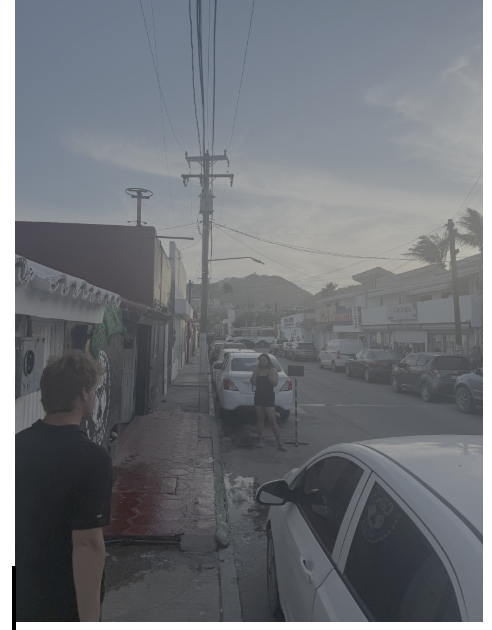
Cabo San Lucas is almost exclusively considered to be a “spring break” city, flooded with Americans between late March and early April. Whether you’re a high school senior, college student, or travelers on a cruise stop, anyone who has visited can agree that it is built specifically for American tourists. When I visited Cabo San Lucas, I dedicated some time to checking off the tourist “must-do’s,” like driving jet skis and taking a dip in the ocean. But as someone who has always been fascinated by learning about culture, I was disappointed to see that a city home to over 200,000 people was so overrun by Americans. Along with several friends, I’d ventured away from beach resorts, and despite several warnings, we headed into the city to see how the locals live.
Our first stop was a barbershop. My friend and I both were in desperate need of a haircut so when we saw one on the street, we seized the opportunity. All three of us got a chance to practice our Spanish as we spoke with our barbers. We learned that it was a family-owned barber shop and they were all from Cabo San Lucas. We learned about the barbers themselves, while simultaneously sharing our own stories. My barber was a 22 year-old woman who recently moved to Cabo from Buenos Aires in search of a city with warmer weather all year round. Speaking with her helped me strengthen my Spanish skills as well as learn more about the people who make up the local community.
After getting haircuts, we got dinner at a birrieria in search of an authentic taste of Cabo. While I can’t honestly say these were my favorite tacos of all time, I’m still glad I ate there with my friends in the crossroads of the city center, watching people come and go.
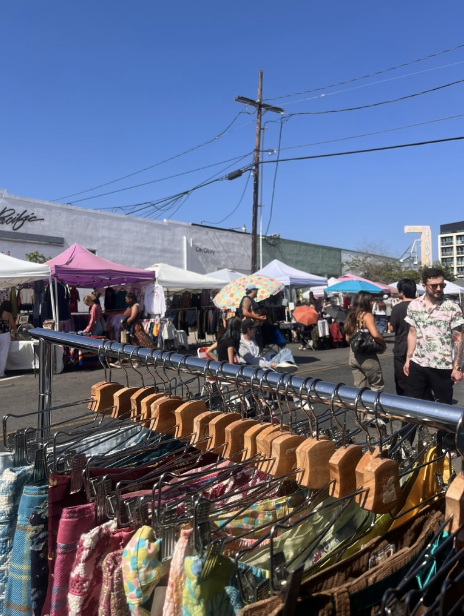
We ended our “local” journey with a trip to the Marina Mercado, a local flea market–a sharp contrast with the luxury malls closer to the tourist area. While parts of the market sold everyday Mexican streetwear and local food preferences,, the majority of the market was disappointingly adapted to tourists, selling several cheap toys and trinkets tourists could use as souvenirs. I didn’t end up buying anything, but taking the long walk down to that area allowed for more exposure and to see what life in Cabo is really like.
I’m pleased to have been able to separate myself from this tanner’s haven for a couple hours to learn more about a city home to 200,000 people. Even if it isn’t immediately visible, authentic local culture can still be found with intention and curiosity. In the end, stepping beyond the resorts showed me that even in a city built for tourists, there are still real stories, people, and culture waiting to be found.